
Lower Your Bills Without Replacing Your System
Energy efficiency tune-ups from Roger Stuth Air Conditioning help Austin homeowners reduce energy waste and improve system performance.
Your HVAC system may be cooling or heating your home, but it could be using far more energy than necessary to do it. Restricted airflow from dirty filters, miscalibrated thermostats, and worn components force your system to run longer and work harder to maintain the temperature you set. Over time, this inefficiency shows up as higher monthly utility bills and uneven temperatures in different rooms.
Roger Stuth Air Conditioning focuses on reducing energy waste during every tune-up, identifying airflow restrictions, calibration issues, and component wear that increase energy consumption. Technicians clean coils, adjust airflow settings, test thermostat accuracy, and inspect motors and belts to ensure your system cools and heats as efficiently as possible. This service can lead to noticeable monthly utility savings, especially for older or high-usage systems in Austin that run nearly year-round. It also pairs well with smart thermostat upgrades, which allow more precise control over when and how your system operates.
If your energy bills have been climbing or your home does not cool or heat evenly, contact Roger Stuth Air Conditioning to schedule an energy efficiency tune-up in Austin.
How Technicians Reduce Waste and Improve Performance
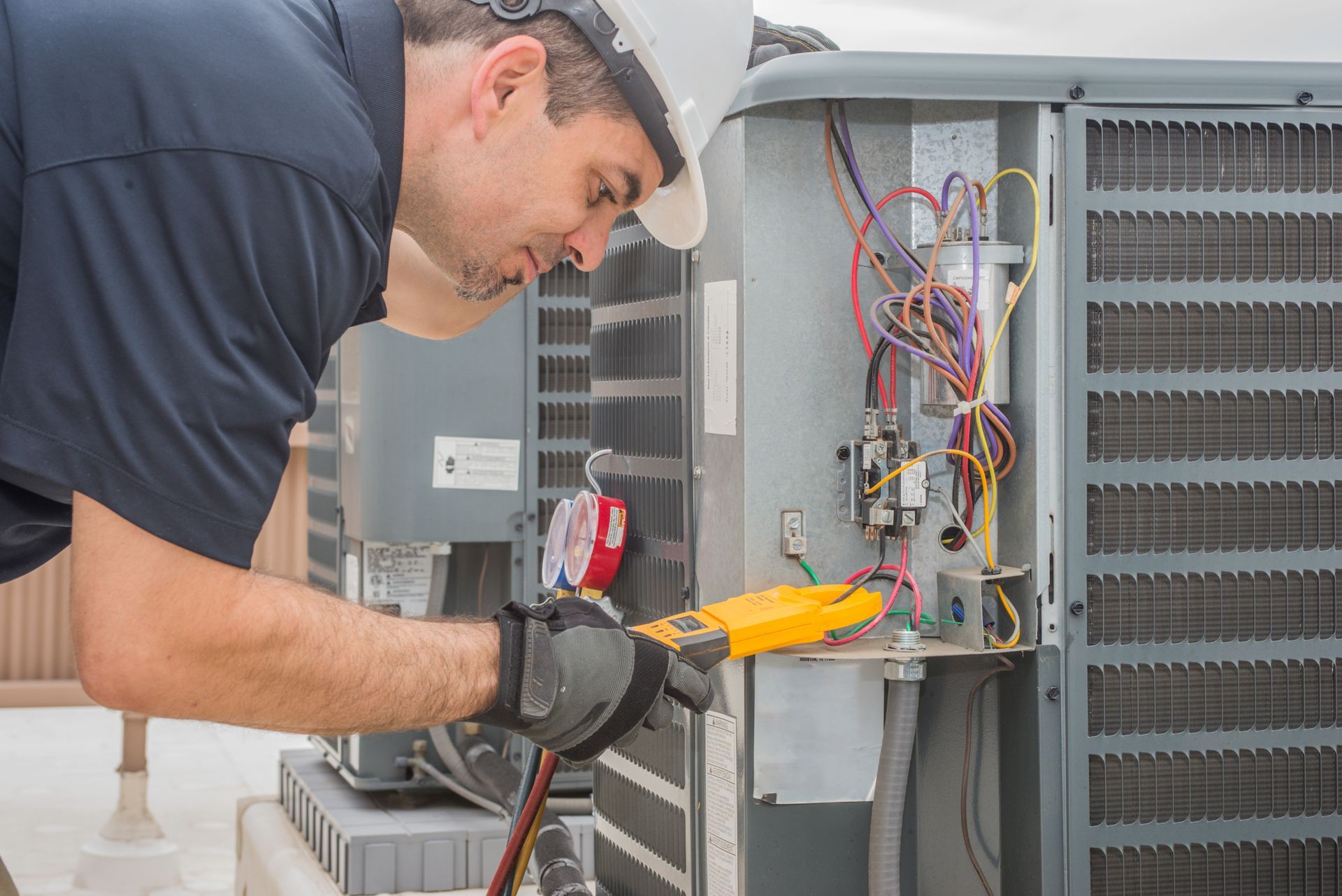
During an energy efficiency tune-up in Austin, a technician inspects your system for anything that increases energy use, including dirty coils, blocked vents, and thermostat calibration issues. The technician uses airflow meters and temperature gauges to measure performance and identify where your system is working harder than it should. You will see the technician clean components, adjust settings, and test results to confirm improvements.
After the service, your system runs for shorter cycles to reach your set temperature, which reduces runtime and lowers energy consumption. You may notice more even temperatures throughout your home and quieter operation. These changes often lead to lower monthly utility bills because your system no longer wastes energy compensating for airflow problems or calibration errors.
The service does not include major part replacements or equipment upgrades, but it maximizes the efficiency of what you already have. Technicians also recommend additional steps you can take to improve performance, such as upgrading to a programmable or smart thermostat, sealing ductwork, or replacing old air filters more frequently. These recommendations are optional and based on what will make the biggest difference for your specific system and usage patterns.
Answers to questions about improving system efficiency
Homeowners often ask how much they can save, what makes a system inefficient, and whether older equipment can still be improved. These answers cover the details that help you understand what an energy efficiency tune-up can do for your home.
How much can I save on my energy bills after a tune-up?
Savings depend on your system's current condition and how inefficient it has become. Many homeowners in Austin see a noticeable drop in monthly bills, especially if airflow restrictions or calibration issues were forcing the system to run longer than necessary.
What makes an HVAC system inefficient?
Dirty coils reduce heat transfer, clogged filters restrict airflow, and miscalibrated thermostats cause the system to run unnecessarily. Worn belts and motors also increase energy use because they require more power to operate.
Why does airflow matter for energy efficiency?
Restricted airflow forces your system to run longer to move enough cooled or heated air through your home. Cleaning components and removing blockages allows air to move freely, which shortens cycle times and reduces energy consumption.
Can an older system still benefit from an efficiency tune-up?
Yes. Even older systems waste less energy when coils are clean, airflow is optimized, and thermostats are calibrated correctly. While newer systems are more efficient overall, tune-ups help older equipment perform as well as it can.
How does a smart thermostat improve efficiency?
Smart thermostats learn your schedule and adjust temperatures automatically, so your system does not run when no one is home. They also provide usage data that helps you identify patterns and make adjustments that save energy.
Energy efficiency tune-ups help you get the most from your HVAC system without the cost of a full replacement. Roger Stuth Air Conditioning provides thorough inspections and clear recommendations so you can reduce waste and lower your monthly bills. Get in touch to schedule your tune-up and start saving on energy costs in Austin.