
Ice Buildup Is Blocking Your Cooling System
Roger Stuth Air Conditioning thaws and repairs frozen evaporator coils in Austin, Texas.
When ice forms on your evaporator coil, it blocks airflow and prevents your air conditioner from cooling your home. You might see frost or ice on the copper lines near your indoor unit, notice water dripping from the air handler, or feel weak airflow from your vents even though the system runs constantly. In Austin, where air conditioners operate for months without pause, a frozen coil can lead to compressor failure if the underlying cause is not corrected.
Roger Stuth Air Conditioning identifies the cause of coil freeze by checking airflow volume, measuring refrigerant pressure, inspecting the blower motor, and testing for leaks or restrictions. Common causes include a clogged filter, a dirty coil, low refrigerant from a leak, or a failing blower that cannot move enough air across the coil. This service includes safe thawing, corrective repairs to address the root cause, and steps to prevent the problem from returning.
If you see ice on your air conditioning system in Austin, contact Roger Stuth Air Conditioning to schedule an inspection and prevent further damage.
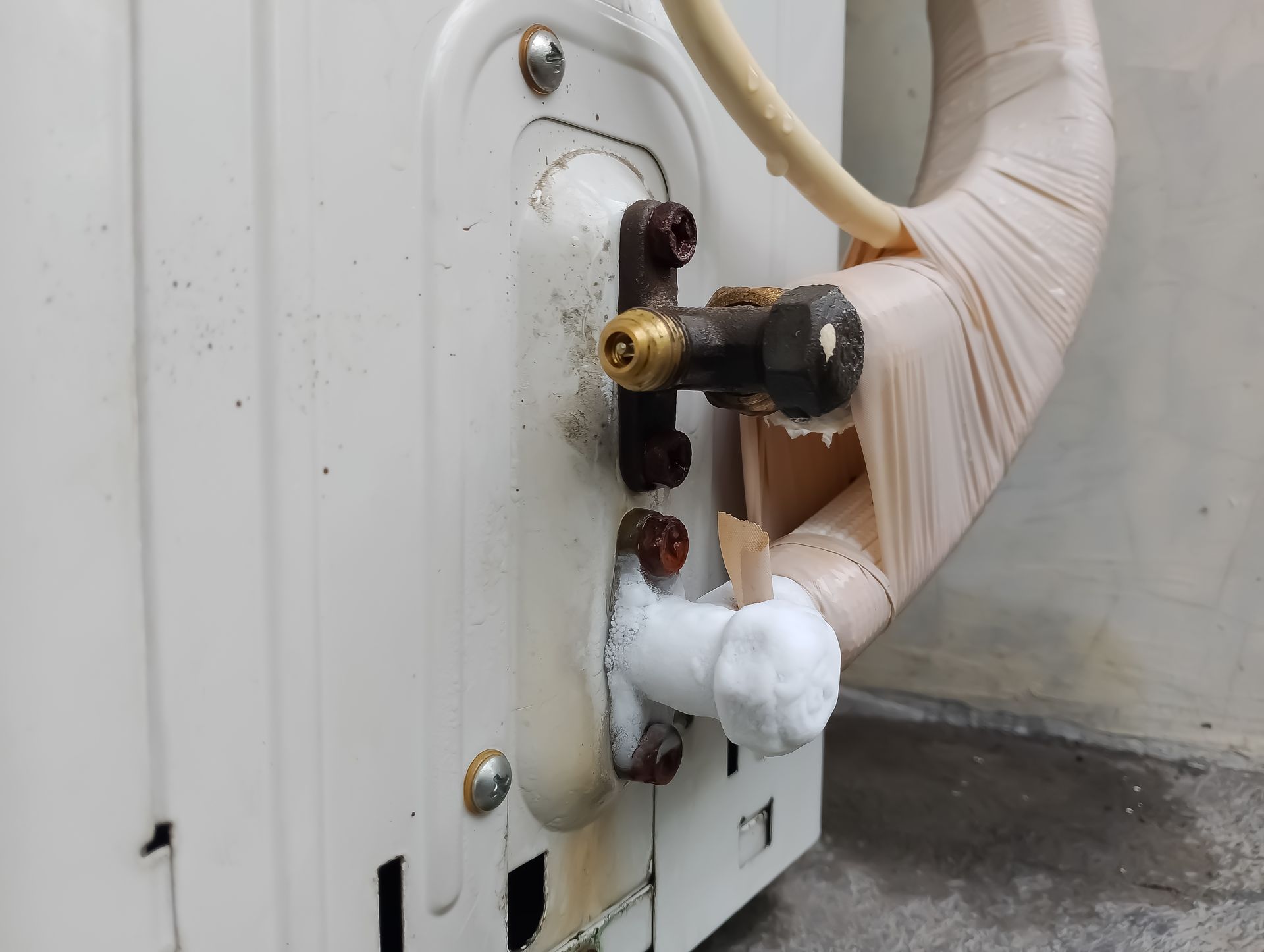
How a Frozen Coil Gets Thawed and Corrected
Your technician turns off the cooling system and allows the coil to thaw completely before performing any diagnostic work, which can take one to two hours depending on how much ice has accumulated. In Austin, where humidity is high, moisture from the air can freeze quickly onto a coil that is too cold due to restricted airflow or low refrigerant. Once thawed, the technician measures airflow, checks refrigerant levels, and inspects the coil surface for dirt or damage.
After the cause is corrected, you will notice strong, steady airflow from your vents, consistent cooling throughout your home, and no more ice forming on the copper lines or air handler. If low refrigerant caused the freeze, the leak is sealed and refrigerant is added to the correct level. If a clogged filter or dirty coil restricted airflow, cleaning or replacement restores normal operation immediately.
The service does not include air handler replacement or ductwork modification, but it does identify whether those upgrades are necessary to prevent future freeze-ups. You receive written instructions on how to maintain proper airflow and reduce the chance of coil icing in the future.
What You Should Know Before Scheduling Service
Many homeowners do not realize that ice on an air conditioner is a symptom of a deeper problem, not the problem itself. These questions help clarify what causes coil freeze and what happens during repair.
What causes an evaporator coil to freeze?
The most common causes are restricted airflow from a dirty filter or coil, low refrigerant from a leak, or a failing blower motor. Each of these conditions allows the coil temperature to drop below freezing, causing moisture in the air to form ice.
How long does it take to thaw a frozen coil?
Thawing takes one to two hours depending on how much ice has formed. Your technician cannot perform diagnostic work or repairs until the coil is completely thawed and dry.
Why does ice keep forming even after I change the filter?
If ice returns after you replace the filter, the problem is likely low refrigerant from a leak or a blower motor that is not moving enough air. Both require professional diagnosis and repair.
When should I turn off my air conditioner if I see ice?
Turn off the cooling system as soon as you notice ice, but leave the fan running to help thaw the coil. Continued operation with a frozen coil can damage your compressor and increase repair costs.
What happens if I ignore a frozen coil?
Ignoring a frozen coil forces your compressor to run without adequate refrigerant flow or airflow, which leads to overheating, internal damage, and eventual compressor failure. Early repair prevents this outcome.
Roger Stuth Air Conditioning provides frozen coil repair throughout Austin, addressing airflow and refrigerant issues that cause ice buildup and restoring reliable cooling. Get in touch to stop repeat freeze-ups and protect your system.